
At a Glance:
- Overloading poses serious safety, compliance, and cost challenges for every leading industry in logistics, mining, construction, and rail transport.
- Advanced weighing solutions, including onboard systems, portable weighbridges, and in-motion rail scales, help prevent overloads.
- Cloud-based digital integration provides real-time data, simplifies compliance reporting, and enables smarter fleet management.
- Businesses can enhance safety, minimise downtime, and ensure sustainable and compliant operations with the right weighing system.
Overloading is a critical issue that affects a wide range of industries, from logistics and freight to mining, construction, and rail operations.
The consequences of overloading vehicles are far-reaching. For instance, overloaded trucks increase the risk of accidents, lead to costly fines for regulatory non-compliance, and accelerate wear and tear on both vehicles and public infrastructure, like roads and bridges.
There’s one solution to all these issues, and that is smart weighbridges. This article discusses how leading industries are tackling overloading risks with the right weighing solutions.
The Impact of Overloaded Vehicles on Leading Industries
Overloading continues to be one of the most persistent challenges across logistics, mining, construction, and rail industries. The consequences have severe implications on the legal, financial, and operational aspects of the business.
Below are some of the biggest impacts of overloaded vehicles on leading industries worldwide.
- Safety Risks: Overloaded vehicles compromise braking, steering, and tyre performance. These factors can increase the chances of rollovers, collisions, and serious accidents.
- Regulatory Penalties: There are strict local and federal regulations for overweight vehicles that can result in severe penalties, including heavy fines, suspended licenses, or even full fleet shutdowns for non-compliance.
- Operational Costs: Excess weight accelerates wear on key components like axles, tyres, and braking systems. These damages require regular repairs, maintenance expenses, and downtime. Overloading also increases fuel consumption.
- Infrastructure Damage: Overloaded vehicles can cause severe damage to public roads, bridges, and rail systems. Businesses can be held liable for these costly infrastructure repairs.
How Smart Weighing Systems Solve Overloading Risks
Modern industries are shifting towards advanced weighing solutions to avoid overloading. These technologies provide real-time data, streamline processes, and deliver a competitive edge while ensuring compliance and safety.
Here are some of the most popular ways leading industries are solving overloading risks with the help of weighing systems.
Portable Weighbridges for Flexibility in Remote Sites
Industries like mining and construction often operate in locations where permanent weighbridges are impractical or too costly to install. These sites move frequently or lack the infrastructure needed for permanent setups, making consistent weight monitoring a challenge.
Portable truck scales provide a flexible and cost-effective solution. They can be deployed anywhere and relocated as operations shift, without affecting their accuracy. This capability has helped industries where permanent truck scales are impractical or cost-intensive.
Onboard Weighing Systems for Real-Time Load Accuracy
One of the biggest challenges in logistics is identifying overweight loads before trucks hit the road. Traditional weighing occurs at fixed weighbridges after loading is complete. If a vehicle is found to be overweight, it must return to be partially unloaded, causing wasted time, added labour, and disrupted schedules. In some cases, overloaded vehicles go undetected, exposing companies to fines and serious safety risks.
That said, onboard weighing systems address this by providing real-time load weight directly from within the vehicle, rather than relying on external weighbridges or platforms. Operators can see exact measurements as cargo is being loaded, making immediate adjustments possible.
In-Motion Rail Weighing Systems
Rail freight operations face significant delays when trains stop for manual weighing. These stoppages create bottlenecks, increase operating costs, and slow down supply chains.
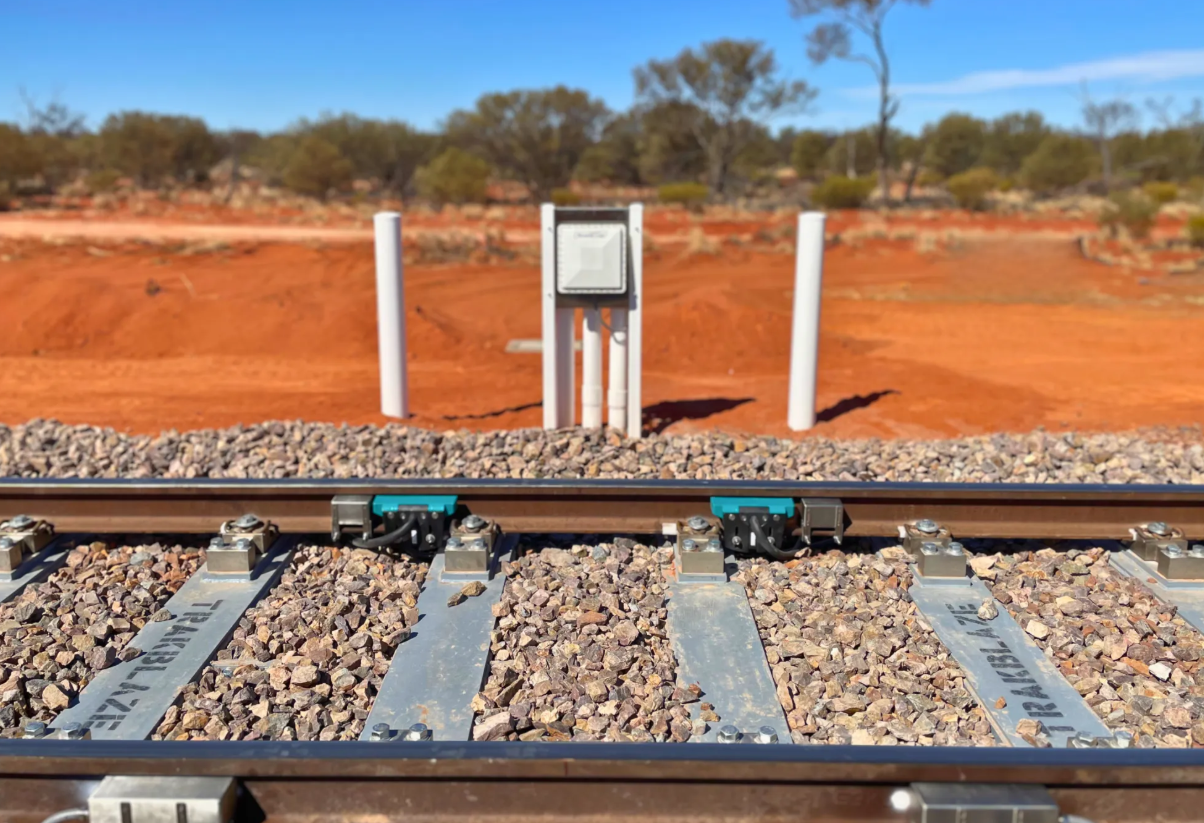
In-motion rail weighing scales enable trains to be weighed while in motion at operational speeds of up to 80 km/hr. The technology captures precise data without requiring manual checks or stoppages. This ensures continuous operations, faster throughput, and improved safety by detecting overloaded or imbalanced railcars while in motion. By preventing track damage and derailments, companies also reduce maintenance costs and fines.
Digital Integration for Data-Driven Weight Management
Many businesses still depend on outdated, paper-based methods or disconnected systems to track weight compliance. These manual processes are prone to errors, create inefficiencies, and make it difficult to stay compliant with regulatory requirements.
Cloud-connected weighing systems revolutionise this process by centralising data in a single, integrated platform. Fleet managers gain real-time visibility of every vehicle and load, allowing for smarter decision-making and improved control. Automated reporting also simplifies audits and reduces administrative overhead.
The bottom line is that addressing overloading risks is about avoiding fines and protecting people, assets, and infrastructure while maximising operational efficiency. All of these are possible with smart weighing systems.
If you are looking for ways to optimise your logistics, consider partnering with a reliable weighing system supplier for a dedicated solution.